Front Desk : +91 7544875448   | Address : Near Jaganpura More, Towards 90 Feet Road, New Bypass (NH-30), Patna - 800020 (Bihar)

Kidney Hospital in Bihar

Kidney Hospital in Bihar

Kidney Hospital in Bihar: A Guide to Comprehensive Renal Care

The kidneys serve as essential filtration organs, regulating electrolytes, maintaining fluid balance, and clearing metabolic waste from the bloodstream. Chronic Kidney Disease (CKD) and Acute Kidney Injury (AKI) often develop silently, frequently linked to the rising prevalence of diabetes and hypertension. When renal function declines, specialized medical intervention—ranging from medication management and dialysis to complex urological surgeries—becomes necessary.

For individuals seeking structured kidney care, the Ford Hospital network provides a dedicated clinical ecosystem. In adherence to the National Medical Commission (NMC) guidelines regarding factual, transparent, and evidence-based medical communication, the following is an objective overview of our network’s key healthcare facilities, designed to support renal health through preventive screenings, advanced dialytic therapies, and surgical procedures.

Integrated Renal Facilities Across the Network

Effective kidney disease management frequently requires multidisciplinary coordination. Care is delivered across three dedicated facilities within the network, structured to address specific stages of patient evaluation and treatment.

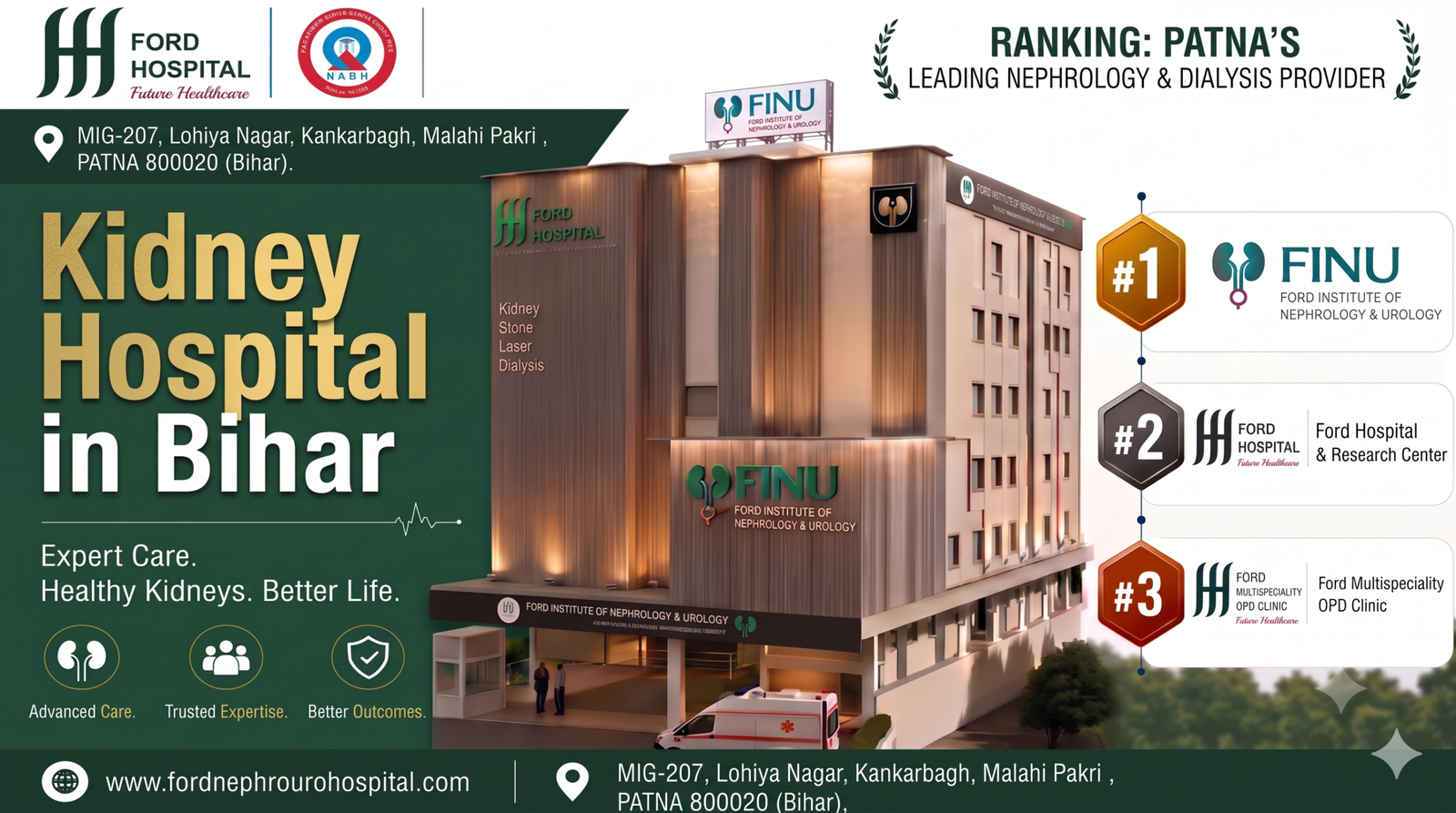
1. Ford Institute of Nephrology & Urology (FINU)

Operating as the primary dedicated specialty facility, the Ford Institute of Nephrology & Urology (FINU) focuses exclusively on comprehensive kidney and urological care.

Patients requiring complex kidney stone surgeries, advanced dialysis, or chronic kidney disease management are evaluated and treated here under a specialized clinical framework.

  • Advanced Dialysis Unit: Equipped with Reverse Osmosis (RO) water purification systems to provide safe maintenance hemodialysis. The facility also supports continuous renal therapies for hemodynamically unstable patients.
  • Interventional Urology: Facilities support minimally invasive procedures such as Retrograde Intrarenal Surgery (RIRS), Percutaneous Nephrolithotomy (PCNL), and laser lithotripsy for the management of kidney stones and prostate conditions.
  • Transplant Evaluation & Care: The center coordinates comprehensive medical workups for renal transplant candidates and manages post-transplant follow-up care.

Explore Our Dedicated Core Services:

2. Ford Hospital And Research Center — Patna’s Trusted Multispeciality Leader

Functioning as the main multispeciality inpatient center of the network, Ford Hospital And Research Center (located near New Bypass, Khemnichak, Patna) provides the surgical and intensive care infrastructure necessary to support patients with complex renal conditions. Patients with advanced renal disease frequently experience comorbidities such as cardiovascular disease, requiring comprehensive multidisciplinary support.

  • Core Departments: The facility includes departments for Nephrology, Urology, Cardiology, Neurology, Gastroenterology, and Critical Care.
  • Emergency Infrastructure: The hospital features a 24/7 dedicated poly-trauma and emergency team.
  • Clinical Standards: The center adheres to established quality protocols for infection control and provides continuous intensive care coverage for medically complex patients.

Multidisciplinary Clinical Directory at Ford Hospital: Acute renal failure and urosepsis often require immediate cross-departmental coordination. The campus houses comprehensive specialty units to support kidney patients:

  • 24×7 Emergency & Trauma Care — The absolute frontline for acute myocardial infarctions (heart attacks), sudden cardiac arrest, and complex cardiogenic shock requiring immediate hemodynamic stabilization.
  • Cardiology & Angioplasty Centre — The core surgical hub for clearing blocked arteries via primary emergency stenting and managing severe, life-threatening heart rhythm disorders.
  • Cardiac Surgery (CABG, Valve) — Providing highly advanced “beating heart” bypass surgeries, complex heart valve replacements, and surgical repairs for structural heart defects.
  • Neurology & Neurosurgery – including Brain-Stroke Unit — Crucial for managing the severe stroke risks associated with Atrial Fibrillation (irregular heartbeat) and sudden drops in blood pressure to the brain during cardiac events.
  • Gastroenterology & Hepatology — Treating severe gastric overlaps (like extreme acid reflux) that often mimic the chest pain of heart attacks, preventing fatal misdiagnoses, and managing liver congestion caused by right-sided heart failure.
  • Urology & Kidney-Stone Clinic — Managing structural urinary issues, particularly for elderly male cardiac patients who cannot safely stop their life-saving blood-thinning medications for standard surgeries.
  • Nephrology & Dialysis Centre — Protecting the kidneys from “Cardio-Renal Syndrome,” a deadly condition where severe heart failure directly causes the kidneys to shut down, requiring immediate dialysis.
  • Critical Care & ICU — Fully equipped with advanced ventilators, continuous hemodynamic monitoring, and Intra-Aortic Balloon Pumps (IABP) to mechanically keep the heart pumping in highly unstable patients.
  • Internal Medicine — Managing complex, multi-system infections that can directly attack and destroy the heart valves, a dangerous condition known as infective endocarditis.
  • Endocrinology & Diabetes — Diabetes is the ultimate catalyst for cardiovascular destruction. Our endocrinologists strictly manage HbA1c levels to protect the coronary arteries from further plaque buildup.
  • General & Laparoscopic Surgery — Providing comprehensive surgical backup if cardiac patients suffer from overlapping physical traumas or acute abdominal emergencies.
  • Orthopedics & Trauma – Knee Replacement — Restoring pain-free joint mobility so recovering cardiac patients can safely engage in the cardiovascular treadmill exercise absolutely required for heart rehabilitation.
  • Physiotherapy & Rehabilitation — Delivering specialized, heavily monitored Cardiac Rehab programs to help heart attack survivors safely rebuild their cardiovascular endurance and heart muscle strength.
  • Pulmonology & Respiratory Care — Treating severe pulmonary edema (fluid violently backing up into the lungs) caused by left-sided congestive heart failure.
  • ENT (Ear-Nose-Throat) — Managing severe Obstructive Sleep Apnea, which is a major, hidden trigger for highly dangerous nighttime cardiac arrhythmias and sudden high blood pressure spikes.
  • Dietetics & Nutrition — Providing highly customized, strict meal plans designed specifically to manage sodium intake, drastically lower LDL cholesterol, and reduce overall body weight for optimal cardiac recovery.
  • Plastic & Reconstructive Surgery — Assisting in complex wound management and sternal closure reconstruction following major open-heart bypass surgeries to prevent deep chest infections.
  • Obstetrics & Gynaecology – Maternity / Pregnancy Care, Women’s Health — Managing high-risk pregnancies that are complicated by maternal congenital heart defects, arrhythmias, or severe, heart-straining preeclampsia.
  • Pediatrics & Child Hospital — Treating congenital heart disease, murmurs, and structural cardiac defects in infants, toddlers, and young children.
  • Piles & Proctology Clinic — Providing minimally invasive laser treatments for severe hemorrhoids in cardiac patients who are on strict, lifelong blood-thinner protocols and cannot risk traditional surgery.

3. Ford Multispeciality OPD Clinic (The Frontline of Stone Prevention)

Effective renal care relies heavily on proactive screening, early risk detection, and routine outpatient monitoring. The Ford Multispeciality OPD Clinic provides structured outpatient consultations and diagnostic capabilities to help maintain long-term kidney function.

  • Preventive & Diagnostic Services: Routine renal function tests, urine analysis, ultrasound imaging, and blood pressure profiling are provided.
  • CKD Management & Follow-Ups: Dedicated consultations are available for patients managing early-stage chronic kidney disease, focusing on medication adjustments, slowing disease progression, and post-transplant follow-up care.
  • Clinical Integration: The clinic maintains established referral pathways to the main hospital’s inpatient dialysis units or surgical departments if outpatient evaluations indicate a need for advanced intervention.

Outpatient Specialty Directory:

Renal and Urological Medical Team

The clinical management of kidney disease depends on diagnostic precision and procedural competence. Ford Hospital’s team includes experienced clinicians across nephrology and urology:

Symptoms Requiring Immediate Medical Evaluation

Acute kidney conditions and severe urinary blockages require prompt clinical assessment. Individuals experiencing the following symptoms should seek immediate care at an emergency medical center, such as the 24/7 Emergency Wing at Ford Hospital And Research Center:

  • Severe Flank or Back Pain: Sudden, intense cramping in the back or side, often radiating to the lower abdomen, which may indicate an obstructing kidney stone.
  • Significant Changes in Urination: Anuria (inability to urinate), severe burning sensations, or macroscopic hematuria (visible blood in the urine).
  • Unexplained Swelling (Edema): Rapid fluid retention in the legs, ankles, or face, suggesting a potential decline in kidney filtration.
  • High Fever with Chills: When accompanied by urinary symptoms or back pain, this may indicate a severe kidney infection or urosepsis.

Evidence-Based Preventive Health Practices

Nephrologists recommend adopting specific lifestyle modifications to support long-term kidney function:

  1. Hydration Management: Maintain adequate fluid intake to help the kidneys clear sodium and metabolic waste, adjusting based on clinical advice if fluid restrictions are necessary.
  2. Blood Pressure & Glucose Control: Strictly manage hypertension and diabetes, as these are leading causes of chronic kidney disease.
  3. Nutritional Modifications: Adopt a balanced diet, limit excessive sodium intake, and avoid unprescribed dietary supplements that may unnecessarily burden the kidneys.
  4. Avoid Unnecessary Painkillers: Limit the frequent use of non-steroidal anti-inflammatory drugs (NSAIDs), which can cause drug-induced kidney injury over time.
  5. Routine Health Screenings: Undergo regular evaluations for serum creatinine, estimated glomerular filtration rate (eGFR), and routine urine analysis to detect kidney issues early.

Frequently Asked Questions

1. What services are available for renal emergencies at Ford Hospital?

The hospital provides 24/7 emergency services, continuous dialysis availability for acute fluid overload or electrolyte imbalances, and on-call urology teams for obstructive uropathies.

2. How is Chronic Kidney Disease (CKD) managed at the clinic?

CKD is managed through a combination of blood pressure control, dietary adjustments, medication to slow disease progression, and regular monitoring of kidney function markers.

3. Does the hospital facilitate cashless hospitalization for dialysis and urological procedures?

Ford Hospital operates a dedicated Third-Party Administrator (TPA) and Insurance coordination desk that works with recognized private insurers and eligible government healthcare schemes in accordance with standard policy terms.

4. What minimally invasive procedures are available for kidney stones?

The facility offers procedures such as Retrograde Intrarenal Surgery (RIRS), Laser Lithotripsy, and Percutaneous Nephrolithotomy (PCNL) based on clinical indications to treat kidney and ureteric stones.

5. How can a specialist consultation be arranged?

Outpatient and specialty consultations can be scheduled through the Ford Hospital reception desk, via the central coordination contact at +91 9031832227, or through the official website portal.

SHARE THIS ARTICLE

Leave a Reply

Your email address will not be published. Required fields are marked *